Play Therapy
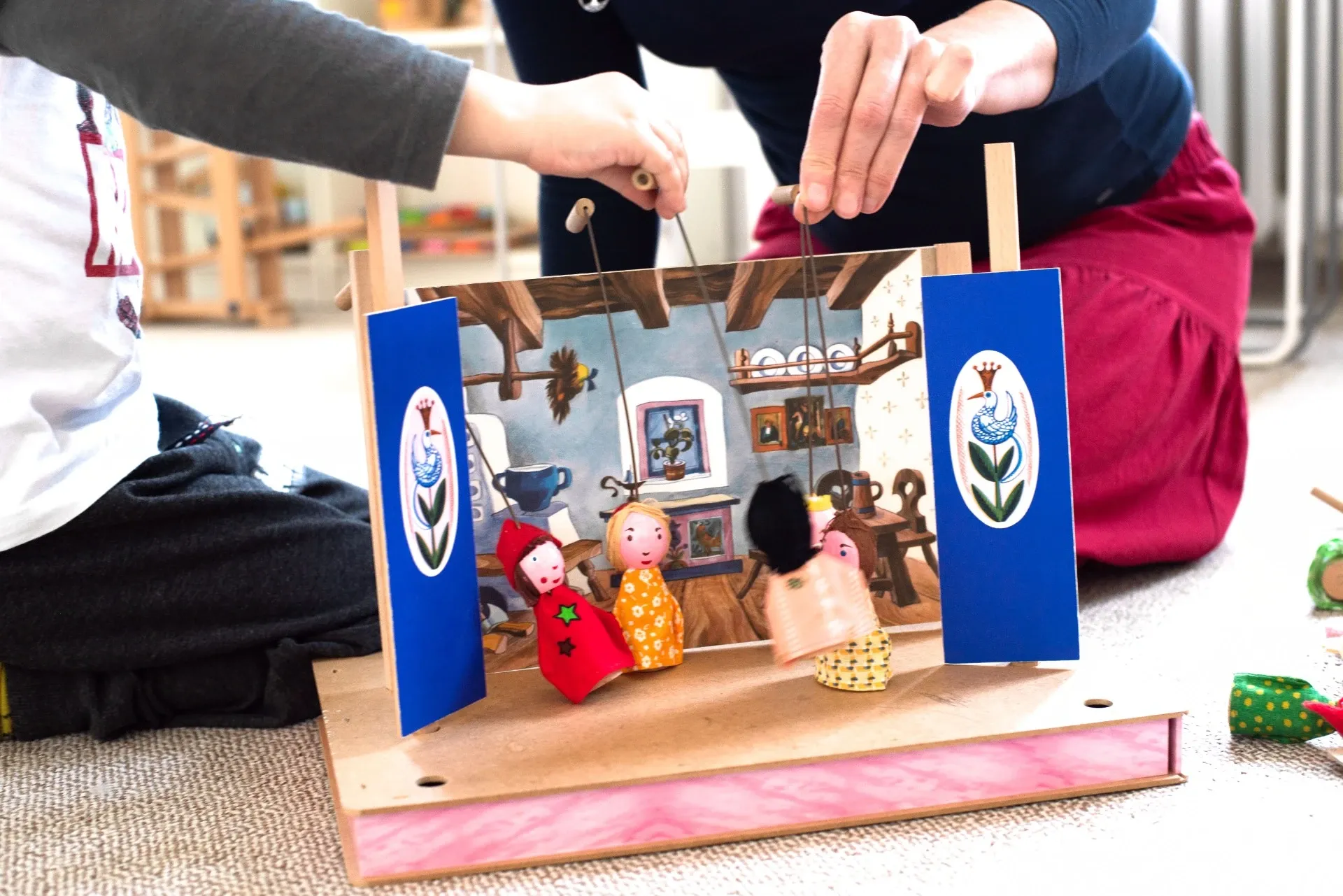
Non-directive play therapy bridges the gap between the world of children and adults. It is a well-established therapeutic method that uses the healing potential of the most natural means of children's communication – free play. While adults usually express their feelings in words, children do so through play on a symbolic level. Through play, in a safe environment and with the gentle support of a therapist, a child can express their emotions and process demanding, overwhelming situations. Experiences connected with successfully managing a stressful situation are followed by feelings of relief and a strengthened sense of self-confidence. The child gradually begins to become aware of themselves, their feelings, wishes and needs. They discover their abilities, skills, as well as their limits and opportunities for growth. The therapist accepts the child as they are, names the emotions they may be experiencing, and in doing so helps them understand themselves better.
Play therapy supports the child's maturing, builds realistic self-esteem, teaches them to understand relationships and function within them. Positive results are evident not only in the reduction of symptoms, but also in improved social integration and the development of the child's cognitive abilities. It is particularly suitable for children with anxiety, low self-esteem or difficulties expressing emotions. It also helps with psychosomatic headaches or stomach aches, asthma, tics or difficulties managing emotions. It is a good choice during difficult periods in a child's life (parental divorce or separation, shared custody, serious illness or the death of someone close, as well as the birth of a sibling, starting nursery or school, changing school, moving home, etc.)
Non-directive play therapy is indicated for children up to the age of 10–12. The usual session length is 50 minutes and it is preceded by an initial consultation with the child's legal guardian.
The length of therapy is highly individual and depends on the child's personality and the severity of their difficulties. Some children need only a few sessions; others require long-term care.
Please arrive on time, but no more than 3–5 minutes before the session begins.
Interested in play therapy?
Contact me by phone or email and we will arrange a first meeting.
Contact me